
Last Updated: October 25, 2026
Quick Summary
To prevent ice damming, seal air leaks and add insulation on the attic floor so warm air stays in the living space and the roof deck stays cold. Keep soffit and ridge vents open, clean gutters before the first freeze, and use a roof rake from the ground to clear snow off the lower edge.
- Ice damming is a ridge of ice along the roof edge that traps melting snow and forces water under the shingles.
- Seal air leaks first around light fixtures, vent pipes, chimneys, and top plates with fire-rated materials, then add insulation.
- Stuffing insulation tight against the roof deck traps moisture and blocks ventilation; insulation belongs on the attic floor.
- Spend in this order: air sealing first, insulation second, ventilation third, and edge protection on the next re-roof.
- Never climb onto a snow-covered roof to chip ice loose, and never use rock salt or de-icing products that damage roofing.
Table of Contents
- How to Prevent Ice Damming: Start With the Attic, Not the Roof
- Attic Insulation to Prevent Ice Dams and Seal Air Leaks
- How to Prevent Gutter Ice Dams and Keep the Roof Deck Cold
- Frequently Asked Questions
How to Prevent Ice Damming: Start With the Attic, Not the Roof
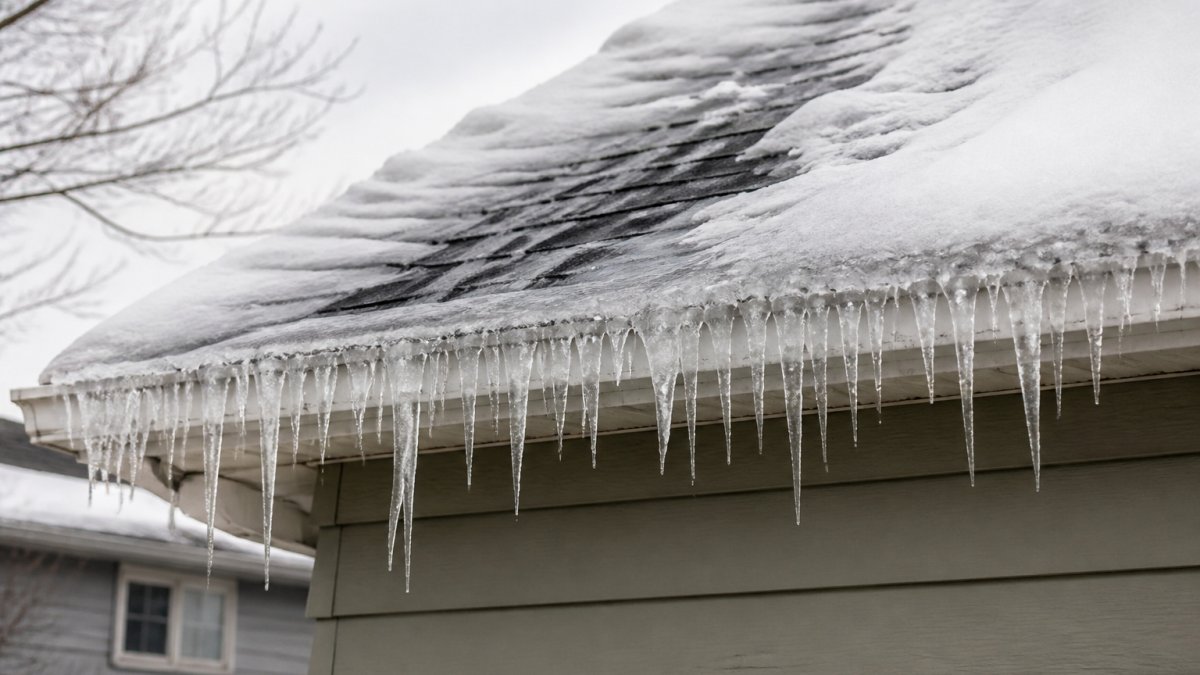
Ice damming is a ridge of ice along the roof edge that traps melting snow and forces water back under the shingles. The icicles are a symptom; the roof is rarely the cause.
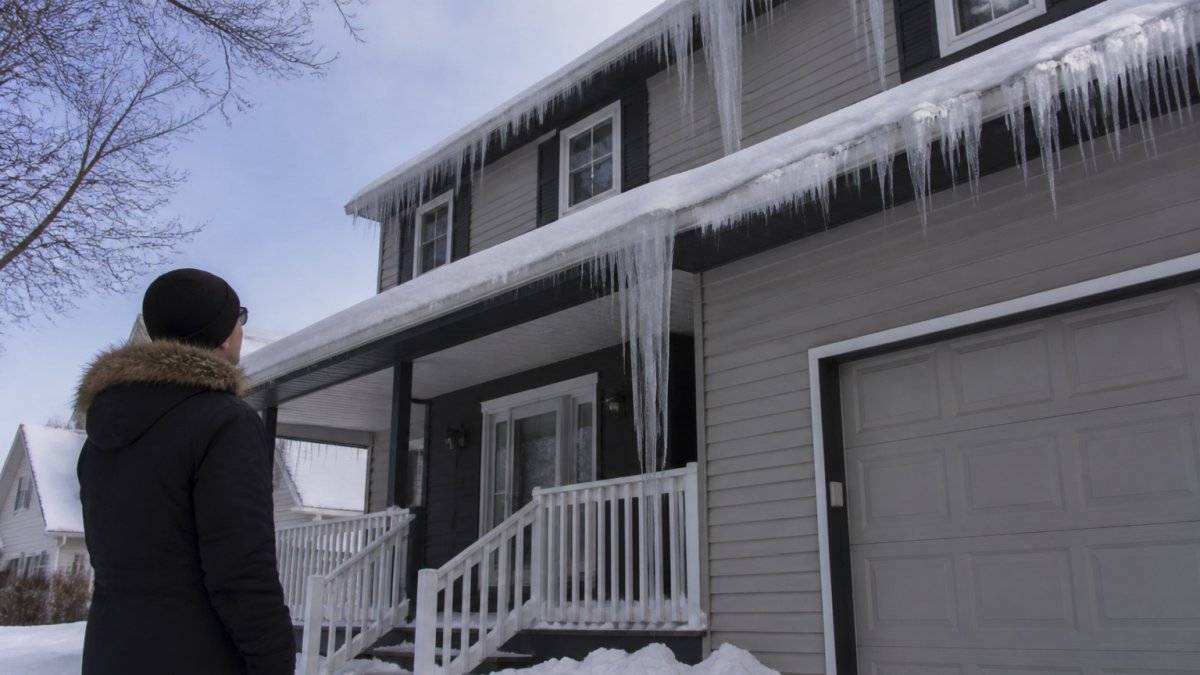
A roof does not make its own heat; warm air leaking from the living space into the attic does.
An ice dam forms in four steps: snow piles up, escaping heat warms the upper roof above freezing, meltwater refreezes at the cold eaves, and ice builds into a dam that forces water under the shingles. The fix targets step two.
Prevention versus emergency removal. Emergency removal is for when ice is already there and water is coming in; long-term prevention is attic work so the dam never forms.
When to hire a professional. Air sealing around a hatch is a homeowner job; chasing a bypass behind a knee wall or working on a steep, snow-covered roof is not. A professional roof inspection identifies where heat is escaping and whether existing damage needs roof and leak repair. For a free, no-obligation estimate, contact the team directly.
Watch out: never climb onto a snow-covered roof to chip ice loose. Falls are the real danger, and a hammer or axe through the deck turns a drainage problem into a leak.
Attic Insulation to Prevent Ice Dams and Seal Air Leaks
Attic insulation to prevent ice dams works by holding heat in the living space instead of letting it warm the roof deck. Seal air leaks first around light fixtures, vent pipes, chimneys, and top plates with fire-rated materials, then add insulation, keeping the thermal boundary continuous so the roof deck stays close to outdoor air temperature.
A common mistake is stuffing insulation tight against the roof deck, which traps moisture and blocks ventilation. Insulation belongs on the attic floor, with airflow kept open above it.
Seal and insulate now, then check each fall. A roof maintenance program keeps the roof and attic in check year after year.
How to Prevent Gutter Ice Dams and Keep the Roof Deck Cold
How to prevent gutter ice dams comes down to two things: keep the roof deck cold and keep water moving off the edge. Proper ventilation (intake at the soffits, exhaust at the ridge) flushes out warm, moist air. For gutter installation and repair services in Victoria, BC, see what the team offers.
The products, and what they actually do:
| Measure | What it does | Prevents ice dams? | Best for |
|---|---|---|---|
| Attic air sealing | Stops warm air reaching the deck | Yes, addresses the cause | Every home with heat loss |
| Added attic insulation | Holds heat in the living space | Yes, addresses the cause | Under-insulated attics |
| Soffit and ridge ventilation | Keeps the deck near outdoor temperature | Yes, supports prevention | Blocked or undersized venting |
Air sealing, insulation, and ventilation fix the cause; roof rakes, heated cables, ice and water shield, and de-icing products manage the symptom and cost money every year.
Climate and roof-specific notes. In a cold, snowy climate, the temperature difference between the upper roof and the eaves drives the whole problem, so heat control matters most.
Watch out: never use rock salt or any de-icing product that damages roofing, siding, or plants. Choose a roof-safe product, use it sparingly, and never let it substitute for fixing the attic.
What to do when water is already coming in. Move valuables, catch the drip, and call a professional; delaying lets water damage spread into insulation, drywall, and framing.
Priorities and return. Spend in this order: air sealing first, insulation second, ventilation third, and edge protection on the next re-roof.
Frequently Asked Questions
How can I prevent gutter ice dams?
Keep the roof deck cold so meltwater never refreezes at the eaves. Seal air leaks and add attic insulation to stop warm air from reaching the roof, confirm soffit and ridge vents are open, and clear gutters and downspouts before freeze-up so drainage has somewhere to go. Roof raking after heavy snow helps, but it treats the symptom. Fixing heat loss is the lasting answer, and a professional assessment is the fastest way to find where warm air escapes.
Can attic insulation help prevent ice dams?
Yes, when it is installed correctly. Insulation slows heat transfer from the living space into the attic, which keeps the roof deck closer to the outdoor temperature and reduces melting and refreezing at the eaves. Insulation alone is not enough if warm air still leaks around light fixtures, hatches, and plumbing penetrations. Air sealing those bypasses first, then topping up insulation, gives the best result. A roofer or energy advisor can check coverage and spot compressed or missing sections.
When should I call a roofer about an ice dam?
Call when water is already staining ceilings or running down interior walls, when ice reaches into the gutters and downspouts, or when snow depth on the roof is heavy enough to concern you. Never chip ice off the roof yourself, since this damages shingles and creates a fall risk. A roofer can assess attic insulation, ventilation, and roof-edge protection, and can advise on safe snow removal. If water is entering the home, treat it as urgent and document damage for insurance.
Ice damming is a heat problem wearing a winter coat, and the fix belongs in the attic, not on the roof edge. If you would rather have someone find the heat loss and handle the repairs properly, Noble Roofing brings GAF Master Elite® certification, a 50-year shingle warranty with 25-year labour coverage, and a no-upsell approach to every assessment. Get started with Noble Roofing and keep your roof and attic ready for every season.
